
EN
PASAM Agrumi · Our commitment
REGENERATIVE ORGANIC AGRICULTURE
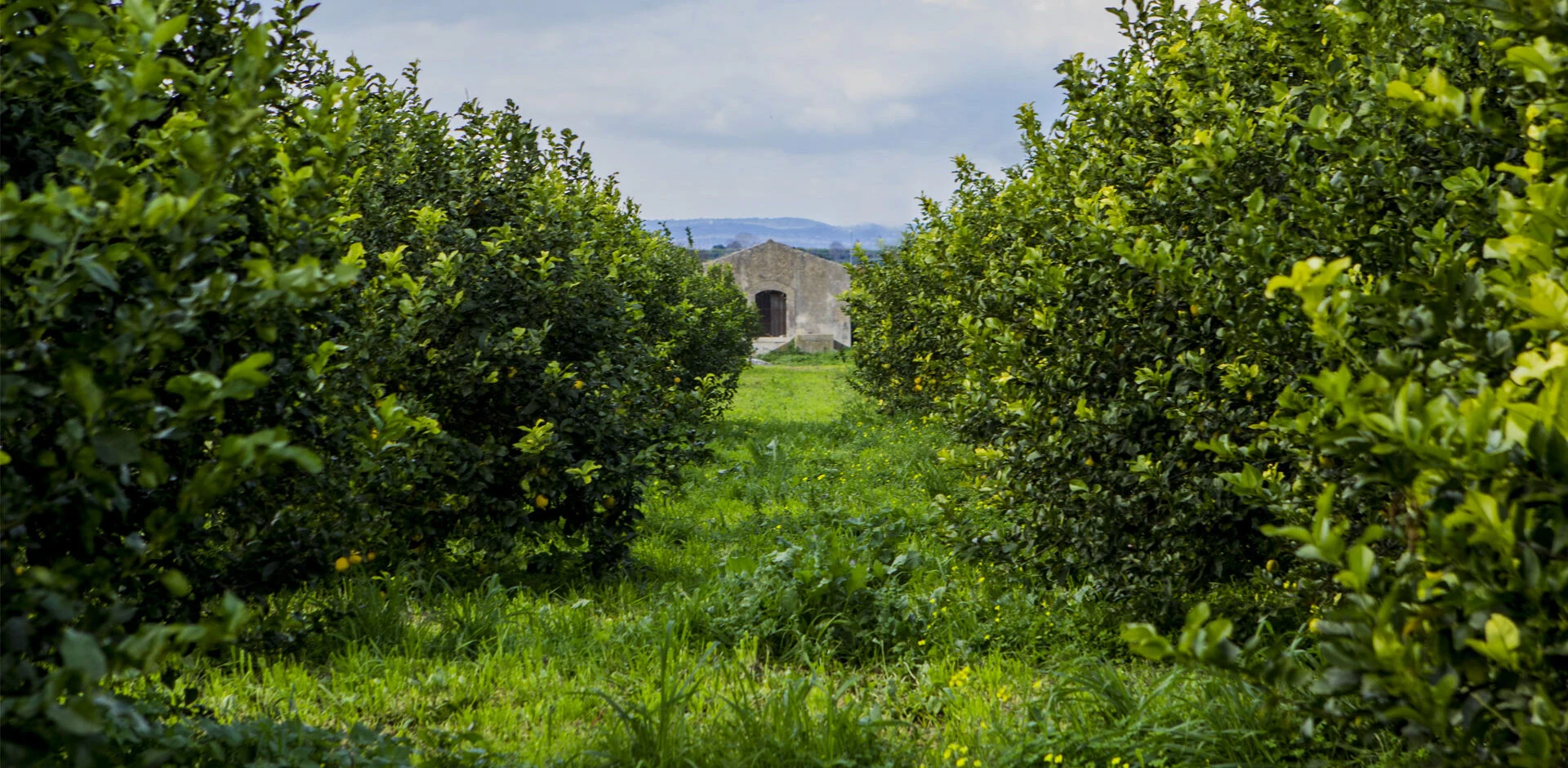
For us, it is not simply a question of organic farming, but of a different approach: Regenerative Organic Agriculture.
“When the last tree has been cut down, the last fish caught and the last river poisoned, we will realise that we cannot eat money”
Living connections
Every action nurtures
the whole.
Soil, water, biodiversity and pollination: practices that support one another.
agriculture
Living soil
Field beans, vetch, clover, lupins, oats and rye: green manuring is part of our farming practices.
Water, drop by drop
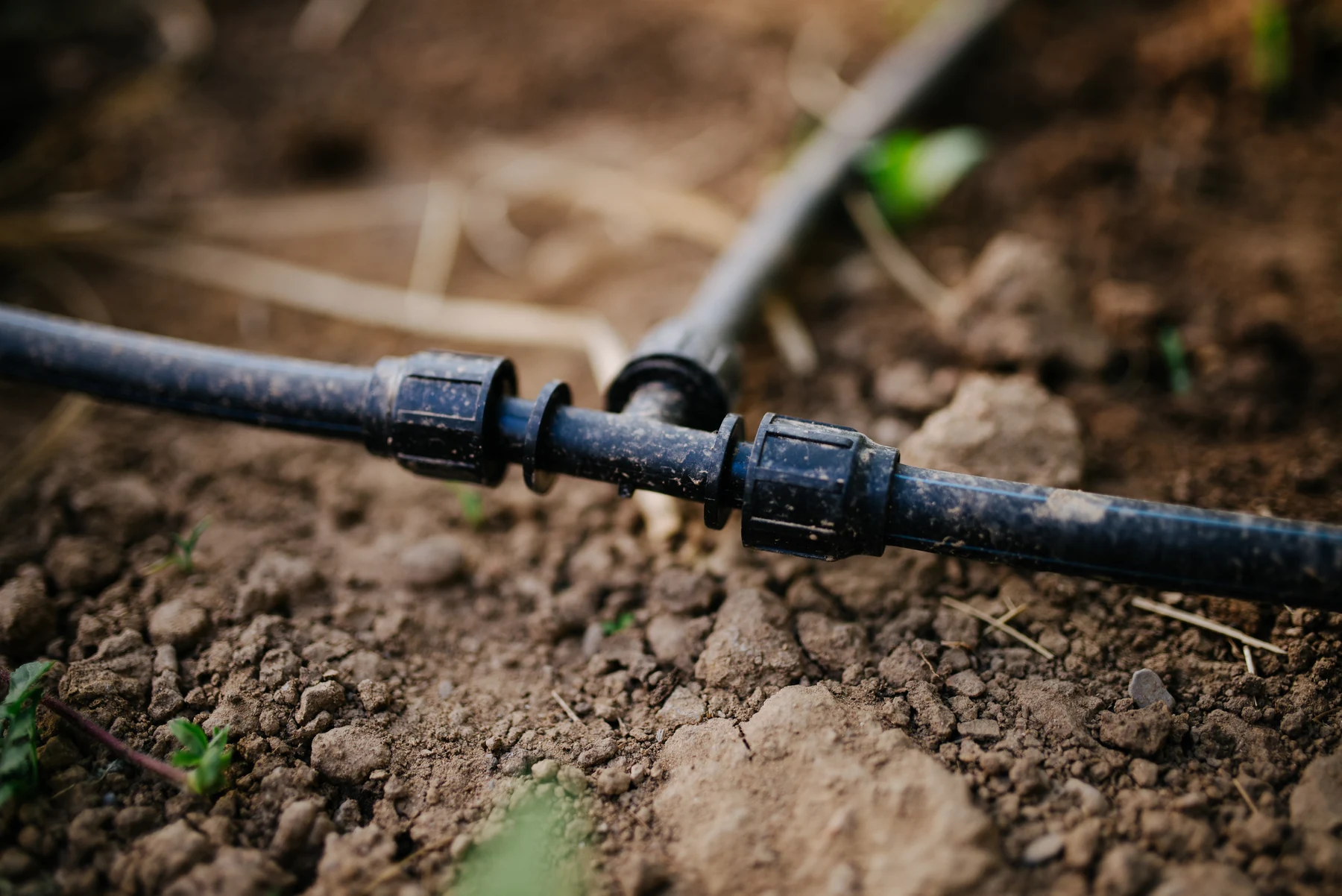
Drip irrigation reduces water consumption by 30% to 70% compared with traditional sprinkler systems.
Room for biodiversity
Hedges, shrubs and artificial nests help encourage life in the lemon grove.
The work of pollinators
Bees and bumblebees aid pollination. The Sicilian Black Bee project reflects our connection to this natural wealth.
The soil, a living ecosystem
Environmental sustainability: the ability to meet the needs of the present without compromising the resources and opportunities of future generations!
Intensive agriculture has led to deforestation, the loss of animal habitats and the growth of large-scale livestock farming, harming biodiversity and intensifying climate change. Regenerative organic agriculture combines the principles of organic farming (without synthetic fertilisers or pesticides) with the active aim of improving and regenerating the health of soil and ecosystems, year after year.
So we go beyond organic farming and ask ourselves: what can we do to avoid compromising the resources of future generations? We have therefore launched several projects to reduce our environmental impact:
Water
REDUCING WATER WASTE AS MUCH AS POSSIBLE: by using drip irrigation, we reduce water consumption by 30% to 70% compared with traditional sprinkler systems; we have therefore started the SPRING certification process. This ensures that all our water-supply wells are duly authorised, are monitored annually, and that we regularly plan measures to improve irrigation efficiency, minimise waste and optimise consumption.
Discover moreBIODIVERSITY
Every year, we help improve biodiversity on our member farms through several actions:
We practise green manuring, a natural farming technique in which selected plants are grown, then cut and incorporated into the soil while still fresh, with the aim of improving its fertility, structure and biological vitality; the most commonly used species are field beans, vetch, clover, lupin, oats and rye;
Discover more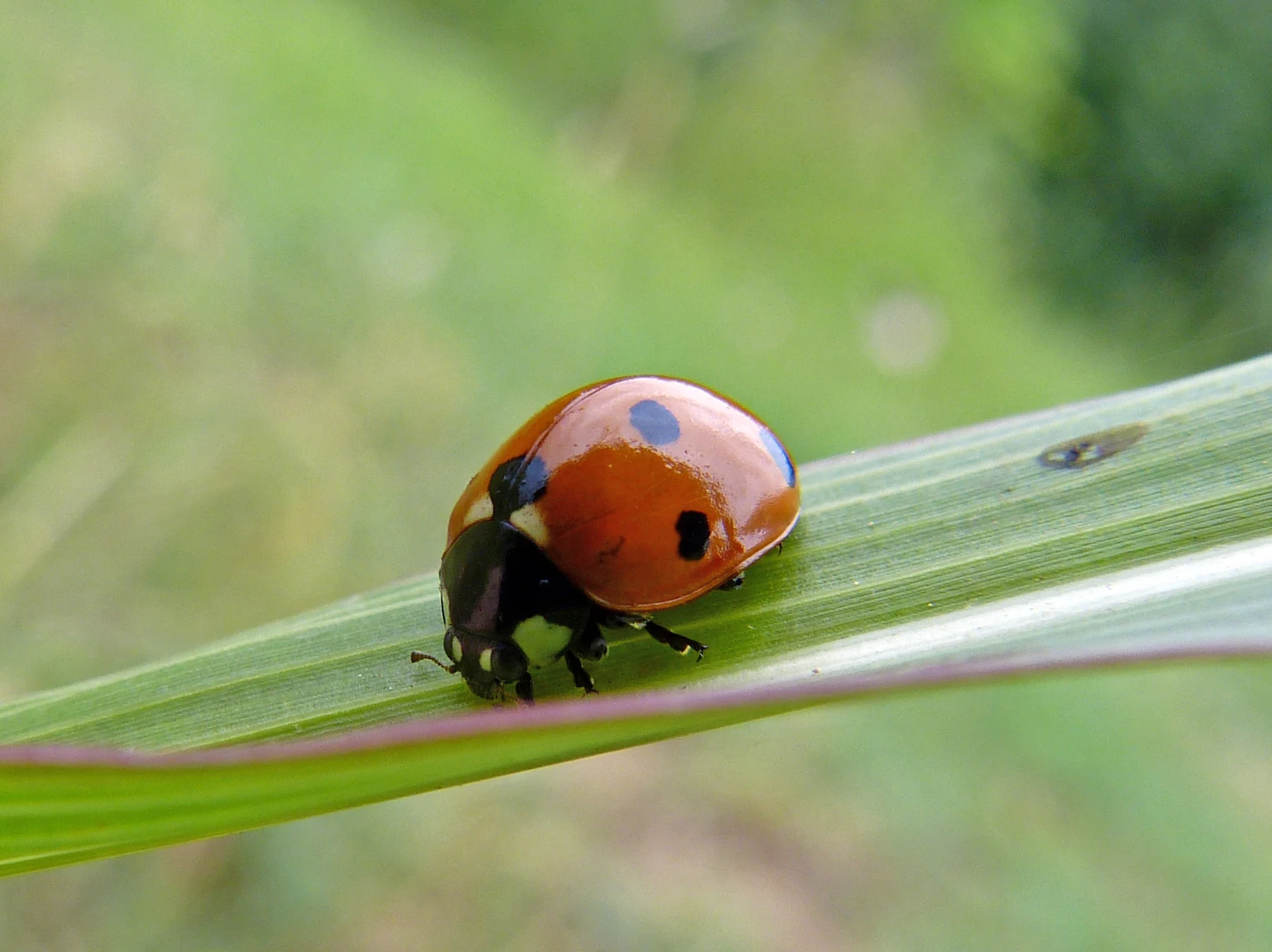
Cultivating a habitat
The citrus grove is part of nature and is therefore home to many different animals: goldfinches, blackbirds, robins, hedgehogs, rabbits and foxes. Our role is to farm in complete harmony with nature, using exclusively organic practices and beneficial insects to help eliminate plant diseases. We also use pollinating insects such as bees to support plant reproduction. We provide shelter for hundreds of birds by installing small artificial nests, a concrete action that benefits the environment; swallow populations in Europe are declining sharply because of human activities, as asphalt and concrete make it almost impossible for swallows to find shelter;
We use natural predatory insects for biological pest control, and we also host dozens of hives containing pollinating insects such as bees and bumblebees, supporting the pollination not only of the citrus grove but also of hedges and other plants on our farms;
Discover more
SICILIAN BLACK BEE PROJECT
PASAM Agrumi has partnered with Carlo Amodeo, a well-known Sicilian beekeeper who has promoted and protected the Sicilian black bee. Today this bee is recognized as a Slow Food Presidium and as a breed that deserves protection from extinction. Every year PASAM Agrumi members make their land available for Sicilian black bee hives, supporting both lemon-tree pollination and the reproduction of a bee population that, until only a few years ago, was at risk of disappearing. Not all bees are yellow and black. The coloring we usually associate with bees is actually typical of the Ligustica bee, the most widespread in Italy and therefore often called the Italian bee. The Sicilian black bee lived in Sicily for thousands of years, then was largely abandoned in the 1970s and came close to extinction. It survived thanks to the studies and research of Sicilian entomologist Pietro Genduso, who passed this passion on to his student Carlo Amodeo, a breeder of pure Sicilian queen bees. The last traditional hives of Sicilian black bees were found on an old farm in Carini, where an elderly beekeeper still produced honey using the ancient method. The hives contained several bee colonies that Carlo Amodeo, after deciding to become a professional beekeeper, preserved in isolation on the islands of Vulcano and Filicudi. Through this agreement, PASAM Agrumi wanted to reaffirm the importance of an ever-stronger bond with the territory and our unconditional love for Sicily.
PASAM Agrumi · Siracusa