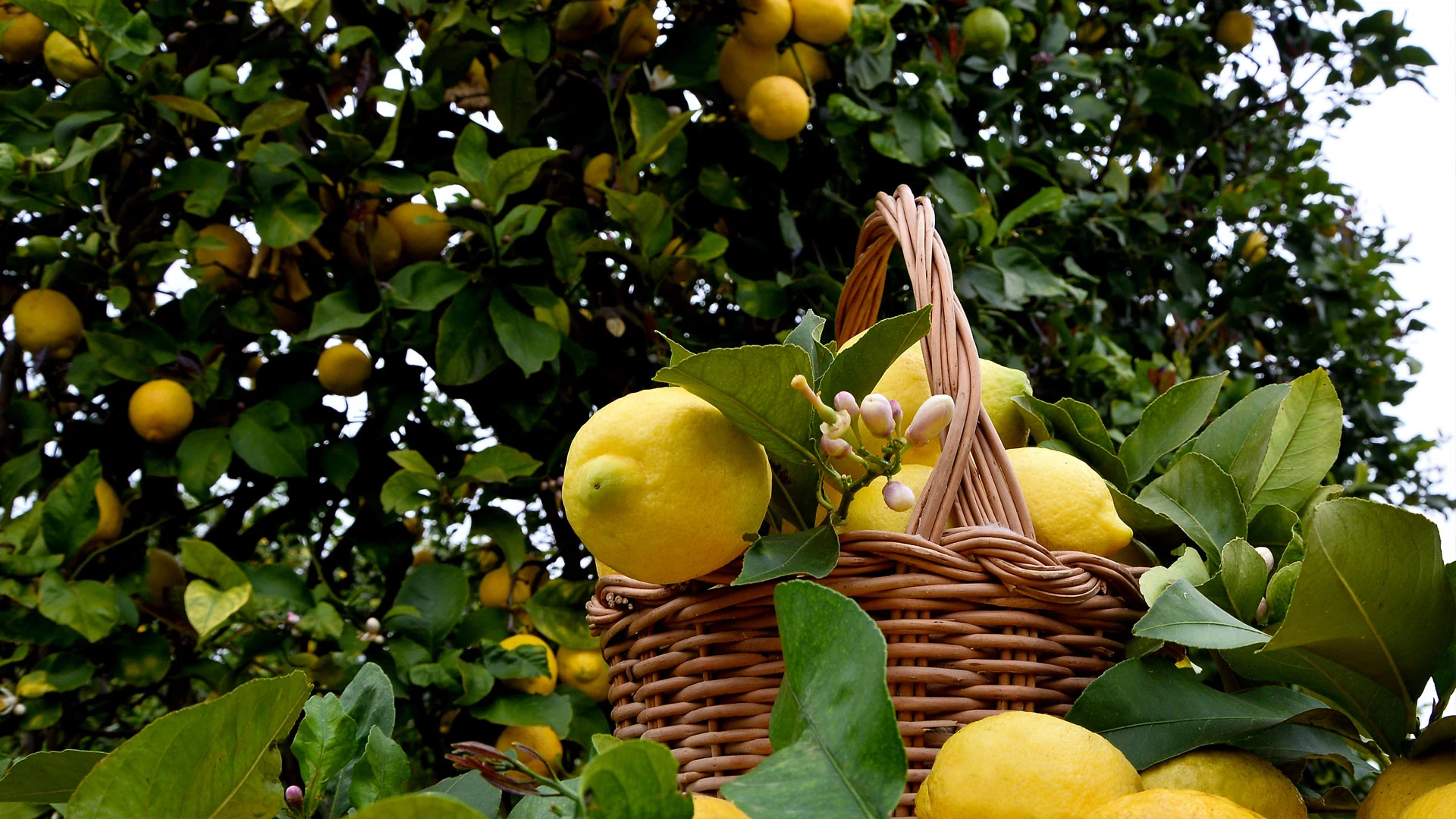
Environmental sustainability
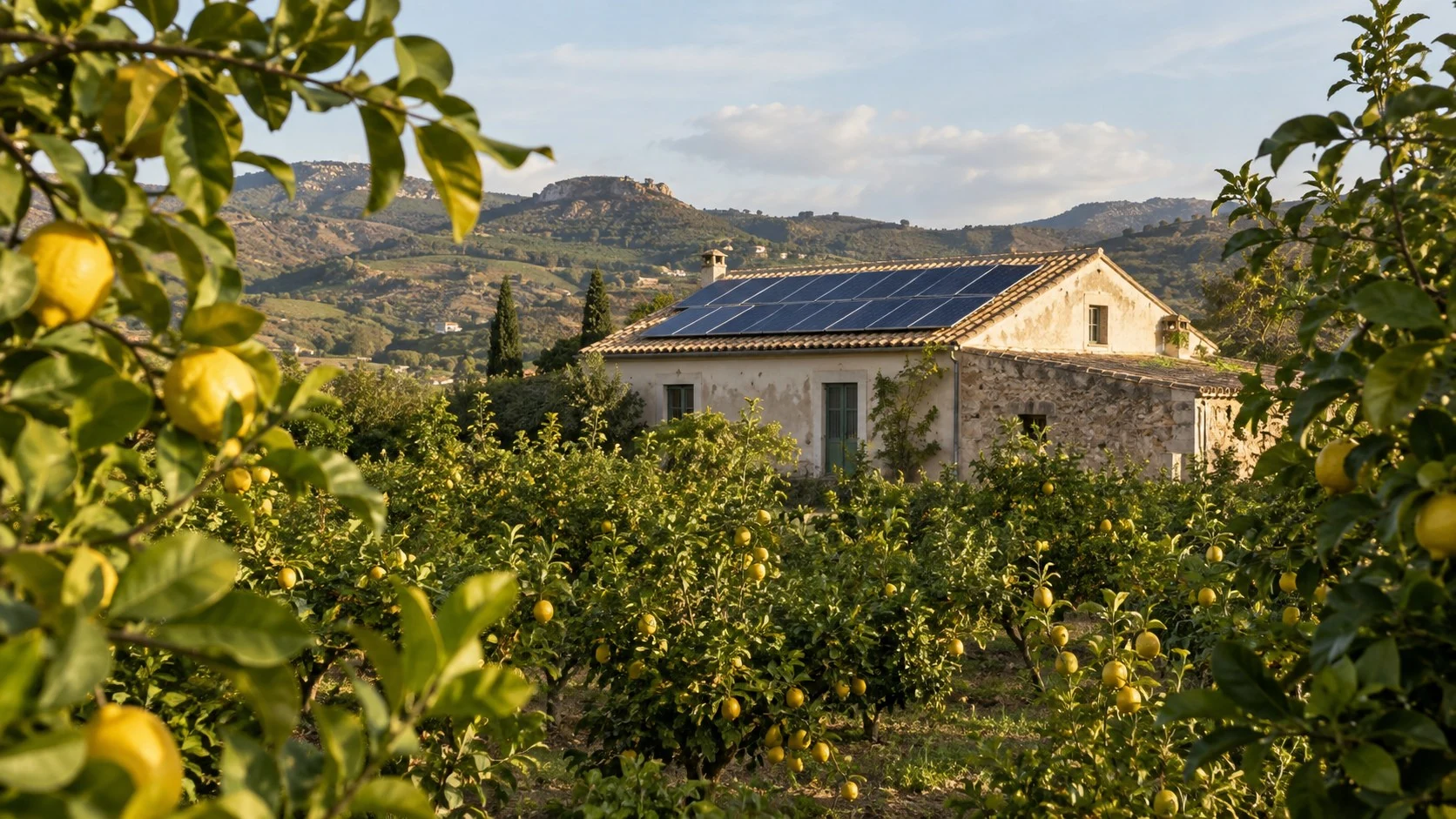
Solar power in agriculture · Illustrative image
Solar power, from the warehouse to the farms.
The PASAM processing facility and many associated farms are equipped with photovoltaic systems. Solar energy supports warehouse operations and work in the fields, reducing dependence on electricity from the grid.
Environmental sustainability means meeting the needs of the present without compromising the resources and opportunities of future generations.
Not just organic farming: we constantly ask what more we can do to protect tomorrow’s resources. That is why we have launched several projects to reduce our environmental impact.
In 2026 the system upgrade began, including the integration of battery storage.
Photovoltaics on the Farm
Many farms in the cooperative already use solar power for their activities. In the fields, the energy produced can support irrigation systems and water pumping, helping reduce both costs and environmental impact.
Through the Photovoltaics on the Farm project, we support member farms along this path: the cooperative contributes to the design, installation and financing of new systems for growers who meet the program requirements.
In 2005 we installed a 500 kW photovoltaic system on the processing warehouse. In 2026 we began a revamping project to replace and expand part of the system and add battery storage, with the aim of becoming almost fully independent from the electricity grid. We also launched the Photovoltaics on the Farm project: PASAM Agrumi farms that meet specific sustainability standards, already hold GlobalG.A.P., SPRING, GRASP and organic certifications, have worked with the cooperative for at least ten years and want to invest in green technologies can be selected to receive a photovoltaic installation on their land, co-financed by the cooperative.
The cooperative therefore handles the design and installation of the system and covers a large share of the cost. This creates major benefits for farms that would otherwise struggle to recover the investment, lowering the cost of pumping irrigation water while also reducing environmental impact.
Biological pest control
Biological control is a natural method used to protect plants by employing living organisms, such as ladybirds and other beneficial insects, to stop pests that damage crops without using chemical poisons. For more than 15 years PASAM Agrumi has supplied beneficial insects to its member farms completely free of charge and has also organized their release in the fields. The insect used most frequently is Aphytis melinus, a parasitoid used against California red scale, a citrus pest that attacks branches, leaves, fruit and bark and can cause severe damage and threaten the life of the tree.
After releasing beneficial insects, we also help create suitable refuges for them by establishing green areas, hedges and small shrubs on member farms. These micro-habitats give our tiny allies a place to live. In this way we reduce the impact on fauna, flora and water resources in the surrounding environment while also protecting bees, butterflies and other pollinators.

The Sicilian black bee project
PASAM Agrumi has partnered with Carlo Amodeo, a well-known Sicilian beekeeper who has promoted and protected the Sicilian black bee. Today this bee is recognized as a Slow Food Presidium and as a breed that deserves protection from extinction. Every year PASAM Agrumi members make their land available for Sicilian black bee hives, supporting both lemon-tree pollination and the reproduction of a bee population that, until only a few years ago, was at risk of disappearing.
Not all bees are yellow and black. The coloring we usually associate with bees is actually typical of the Ligustica bee, the most widespread in Italy and therefore often called the Italian bee. The Sicilian black bee lived in Sicily for thousands of years, then was largely abandoned in the 1970s and came close to extinction. It survived thanks to the studies and research of Sicilian entomologist Pietro Genduso, who passed this passion on to his student Carlo Amodeo, a breeder of pure Sicilian queen bees.
The last traditional hives of Sicilian black bees were found on an old farm in Carini, where an elderly beekeeper still produced honey using the ancient method. The hives contained several bee colonies that Carlo Amodeo, after deciding to become a professional beekeeper, preserved in isolation on the islands of Vulcano and Filicudi. Through this agreement, PASAM Agrumi wanted to reaffirm the importance of an ever-stronger bond with the territory and our unconditional love for Sicily.